You are not alone — here’s what scientists say about chronic inflammation
Modern science clearly shows that low-grade inflammation is one of the main reasons why people feel constantly tired, experience pain, or suffer from other hard-to-explain health issues.

Researchers acknowledge that chronic inflammation often starts silently, without visible symptoms, but over time it affects the entire body.

Fortunately, there are ways to detect it early and restore the body's natural balance. Keep reading to find out what science says — and how it relates directly to you.
What is chronic inflammation?
Chronic inflammation is the body's immune system response that doesn't subside even when there's no real threat. Unlike acute inflammation, which helps the body heal from injuries or infections, chronic inflammation is silent and long-lasting.

It gradually damages cells and tissues, contributing to the development of various diseases — from cardiovascular issues to autoimmune disorders.
Most people don’t even suspect that their fatigue, brain fog, or joint pain could be linked to this condition.

Fortunately, today it’s possible to detect it in time, measure it, and naturally restore the body’s balance before more serious consequences develop.
Solution: an approach and products that help reduce chronic inflammation
Zinzino’s approach is based on a simple yet revolutionary principle — first measure, then balance.
With scientifically validated tests, it's possible to accurately determine the level of inflammation in your body, as well as the Omega-3 to Omega-6 fatty acid balance, which significantly affects the health of your cells.

Once you get your results, Zinzino products help to naturally restore balance, using high-quality nutrients that are based on science, not assumptions.

Thousands of people have already experienced improvements in energy, focus, and overall well-being.

🎥 Watch the video below to learn how this approach works and how you can begin your journey toward cellular health.
Clinical blood tests — simple, at home, and science-based
Zinzino tests allow you to accurately assess the state of your body, so you can begin a conscious journey toward balance and health.
Analyzes the ratio of Omega-6 to Omega-3 fatty acids in your body and determines the level of inflammation in your cells.
📍 Find out if your body is in the risk zone.

Learn more
Check whether your body has sufficient levels of vitamin D — it affects immunity, bones, and energy levels.
📍 80% of people are deficient in vitamin D — are you one of them?
Learn more
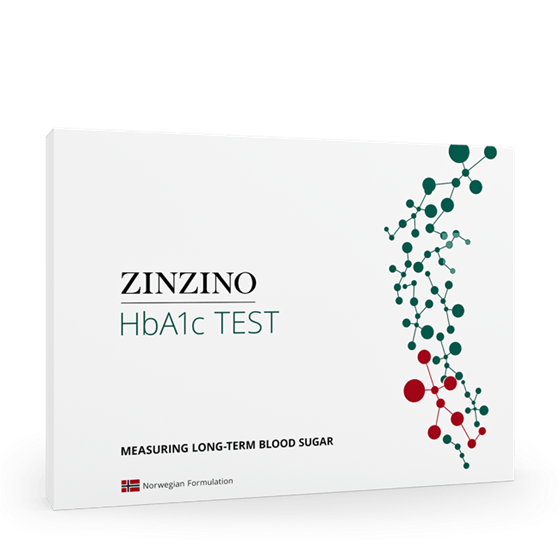
Assesses the average blood glucose level over the past 3 months — important for the prevention of metabolic diseases.
📍 Early diagnosis = lower future risk.
Learn more
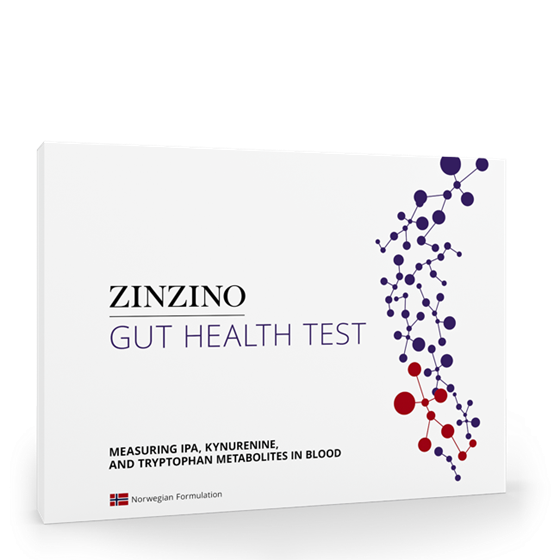
Evaluates your gut microbiome function, metabolism, and its impact on inflammation and stress.
📍 Gut health affects immunity, mood, and even skin condition.
Learn more
All Zinzino tests are anonymous, reliable, and laboratory-verified
Blood samples are analyzed by Vitas Analytical Services — an independent laboratory in Norway, accredited according to ISO 17025. Over 25 years of experience in the biochemical testing of nutrients.

Zinzino collaborates with Vitas as an official partner, ensuring that each result is processed according to the highest standards of quality and safety.

Your data is 100% confidential — results are assigned using a unique ID code, with no link to personal information.
High-quality, custom analytical services — Vitas Analytical Laboratory www.vitas.no
Publications about Inflammation and Its Reduction
What Is the Balance Concept?
6.3 billion people around the world don’t get enough omega-3, while almost everyone consumes too much omega-6. The balance is disrupted, and this affects normal physical and mental functions, including the health of the heart, brain, and eyes. The body often compensates for this imbalance with pathological inflammatory and immune responses.

A simple dried blood spot test can show whether your omega-6 to omega-3 ratio is within optimal limits—or whether it’s time to take conscious action.

Omega-3 is an essential fatty acid that the body cannot produce on its own. It is naturally found in the tissues of fatty fish and algae, so omega-3 must be consumed through food or fish oil supplements. For real health benefits, adults need approximately 2 g of EPA and DHA per day.

If your diet does not regularly include sardines, anchovies, mackerel, salmon, shellfish, flaxseeds, or walnuts, there's a high chance you are one of the 6.3 billion people with an omega-3 deficiency. At the same time, modern diets are rich in meat, grains, sweets, and ultra-processed foods, which contribute to excess omega-6 intake.
97% of people fail to achieve the healthy balance between omega-3 and omega-6. Antioxidants play a crucial role here—they protect omega-3 both in the product and in the body, supporting cell membrane flexibility and nutrient absorption.

Polyphenols are a key factor that significantly enhance this process. They work in synergy with omega-3, reducing oxidation and improving bioavailability. A lack of polyphenols is the main reason why many omega-3 products do not deliver the expected results in practice.
The Zinzino Balance Test is the foundation of the Balance Concept—a scientifically proven, personalized dry blood test that reflects your fatty acid balance over a 120-day period. The test is taken before starting Balance Oil and repeated after 120 days, allowing you to objectively evaluate the results.

This is the beginning of your journey to better healthwithout guesswork, based on testing, data, and a personalized nutrition strategy.
Zinzino Product Presentation New in a simple way
The video presents a shift from sick care to evidence-based, personalized, and preventive health care, focusing on nutrition as a foundational tool. Modern diets have disrupted the natural balance of essential fatty acids, especially omega-6 to omega-3, contributing to widespread health issues. By measuring fatty acid balance through simple blood testing and correcting deficiencies with targeted, high-quality supplementation, health outcomes can be objectively improved and verified.
The speaker explains how modern nutrition has moved away from nutrient-dense, natural foods toward calorie-rich, nutrient-poor, highly processed diets. This shift has severely disrupted the balance between omega-6 and omega-3 fatty acids. While science recommends a ratio close to 3:1, many populations now show 15:1 to 25:1 or worse, a level associated with increased risk to brain, cardiovascular, joint, and overall metabolic health.

Omega-3 is highlighted as one of the most researched and clinically relevant nutrients in nutrition science. What matters is not guesswork but measurement. Fatty acid balance can now be easily tested at home using dry blood spot sampling, a method long used in hospitals worldwide. Test results clearly show whether an individual is in balance or at risk, allowing supplementation to be need-based and measurable, not speculative.

The protocol presented combines three pillars: restoring fatty acid balance, supporting gut health and microbiome diversity, and replenishing key vitamins, minerals, and micronutrients from real-food sources. The strength of the approach lies in testing before and after, with large-scale data showing that within about 120 days, most users achieve balance. The message is clear: nutrition-based health support works best when it is personalized, measurable, and grounded in scientific evidence, forming a practical foundation for long-term well-being across all ages.
Gut Health Test explained
Meet the Gut Health Test
Why is OMEGA3 so famous for fixing heart disease? A Shot glass of health!
Dr. Richtor explains that omega-3 deficiency is a central, measurable driver of chronic disease, especially cardiovascular disease, cancer, and metabolic syndrome. Long-term data show that a high omega-6 to omega-3 ratio sustains chronic inflammation, damages mitochondria and arterial walls, and increases all-cause mortality, while cholesterol itself shows no causal link to heart disease.
The presentation brings together over 55 years of research showing that omega-3 levels in cell membranes strongly predict health outcomes across all populations. An inflammatory index based on the omega-6 to omega-3 ratio correlates with rising disease risk regardless of age, BMI, smoking status, or existing illness. Most people test severely deficient, often above 20:1, placing them in an exponential risk zone.

Omega-3 is not optional biology. EPA and DHA regulate inflammation, immune signaling, and membrane function. Plant sources provide only ALA, which rarely converts into EPA and DHA due to enzyme competition from excessive omega-6 intake. This creates a self-reinforcing inflammatory loop where inflammation never fully switches off.

A major focus is mitochondrial health. Omega-3 is essential for cardiolipin, a lipid required for mitochondrial energy production. Without adequate omega-3, ATP output drops and cells lose aerobic efficiency, directly affecting the heart, brain, liver, and other high-energy tissues.

The talk challenges conventional lipid testing. Reaching an omega-3 index above 8% consistently aligns with lower cardiovascular events and mortality, while cholesterol shows no meaningful causal relationship. The core message is simple: test omega-3 status, correct the imbalance, and address disease at the membrane and mitochondrial level, not through secondary markers.

World First Gut Health Test
he video introduces Zinzino’s new blood-based gut health test through Dr. Martina Torres, framing gut health as a systems network linking digestion, immunity, metabolism, and brain function. The core idea is functional measurement, not guessing. By tracking three metabolites in blood, tryptophan, kynurenine, and indole propionic acid (IPA), the test estimates whether the body is trending toward resilience or strain. The talk explains how diet and lifestyle steer tryptophan down either a stress related immune path or a protective microbial path and shows how results guide practical actions centered on fibre, omega-3 balance, polyphenols, sleep, recovery, and stress regulation.
Margie Dangerfield introduces the session and positions the gut test as a world first designed for clinical integration and improved patient outcomes through precision driven, test based nutrition. Dr. Torres sets the foundation: the gut is not only digestion but a communication hub hosting most immune cells and a microbial ecosystem that produces metabolites influencing immune tone, metabolism, mood, and energy. Modern microbiome research has shifted from listing bacteria to measuring function using metabolomics, focusing on what microbes produce and what those signals do in the body.

Dr. Torres uses tryptophan metabolism as the central model, describing a three path crossroads: the kynurenine pathway linked to immune activation and system load, the serotonin pathway, and the microbial indole pathway producing IPA. When stress and immune signalling rise, more tryptophan shifts toward kynurenine, increasing oxidative and inflammatory strain. When the system is nourished and stable, more shifts toward microbial indoles like IPA, associated with stronger gut barrier integrity, antioxidant protection, balanced immune communication, and better metabolic regulation. Fibre is presented as the primary driver because it supports microbial diversity, butyrate production, and the low oxygen colon environment needed for indole producers.

The test is positioned as a practical tool to quantify this balance. It measures absolute levels and ratios such as kynurenine to tryptophan as an immune stress indicator, IPA to tryptophan as a microbiome efficiency marker, and IPA to kynurenine as a microbiome immune support marker, combined into a gut health index showing direction from strain to resilience. The interpretation is framed as preventive, non diagnostic, used for baseline tracking and behaviour change. Action steps focus on raising IPA and lowering excessive immune load through daily fermentable fibre variety, polyphenol rich foods, improved omega-6 to omega-3 balance, and lifestyle inputs that reduce immune activation such as sleep quality, recovery, and stress regulation.
Balance Education with Ola Eide
The speaker returns to the origins of the Balance concept, explaining how dry blood spot testing enabled large scale home screening of fatty acids without cold chain logistics. Early research using this method showed extremely high omega 6 to omega 3 ratios, including in children with ADHD, and reported improvements in attention and hyperactivity after omega 3 intervention. The talk then argues the global rise in omega 6 intake from plant oils and grain fed meat drives lifestyle disease risk, while the Balance concept aims to restore ratio toward about 3 to 1 using omega 3 plus olive oil polyphenols for stability and oxidative protection, supported by research on bioavailability, stability, and safety plus growing internal test data and real world outcome stories.
The presentation starts with the technical breakthrough behind the concept: dry blood spot fatty acid testing, first developed in the mid 2000s using filter paper and gas chromatography. Compared with conventional blood draws, this approach is simpler, does not require experts, and avoids the need for a freezing chain, enabling home testing and population screening. Early studies using this method reported striking findings, including children with ADHD showing omega 6 to omega 3 ratios above 40 to 1, control children also showing high ratios above 20 to 1, and omega 3 supplementation lowering ratios while also reporting improvements in hyperactivity and inattention. The method expanded into broader screening use, including newborn metabolic screening and other clinical applications, supporting the idea that it performs comparably to standard testing.

The speaker then links the global rise of omega 6 to omega 3 imbalance to modern diet patterns: increasing use of plant oils high in omega 6, more consumption of grain fed meat, and insufficient intake of fatty fish and vegetables. Fish oil refinement removes contaminants but also strips protective compounds, increasing the need for added antioxidant support. The Balance concept is positioned as a dietary solution combining two to three grams per day of omega 3 with extra virgin olive oil polyphenols, highlighted for antioxidant capacity and for supporting omega 3 stability. The talk references regulatory aligned claims, including omega 3 support for heart function and blood pressure maintenance, and olive polyphenols supporting protection of blood lipids from oxidative stress.

Finally, the speaker points to evidence from Nordic and European projects showing high bioavailability, no increase in oxidative stress markers during use, and superior product stability compared with several competing omega 3 formats. Internal screening data is used to argue typical background ratios range from roughly 10 to 1 up to 23 to 1 across countries, while recommended use trends toward about 3 to 1. The talk also shares applied observations from sports teams and skin studies, then emphasizes the value of collecting more structured real world stories, with early patterns clustering around reduced pain, skin improvements, and fewer seasonal colds. The closing message is strategic: keep the core Balance concept central, since the strongest seller today often has the biggest long term potential.
The Second Fire - Menopause isn’t the end
Margie introduces Allison Horn, an integrative naturopath and somatic educator, to discuss menopause as a second fire rather than an ending. Allison reframes midlife symptoms as a mix of hormonal change plus inflammation, nervous system dysregulation, and often unresolved trauma, then connects gut health, fatty acid balance, liver detox pathways, and immune signalling to common symptoms like fatigue, mood shifts, hot flushes, sleep disruption, and libido changes. She shares practical regulation tools such as self hug grounding, movement and sound, and EFT tapping, then outlines a test guided approach that starts with omega 6 to omega 3 testing and re testing in 120 days, gut support, and deeper functional and genetic testing to personalise support.
Allison presents menopause as a turning point where long running patterns surface, not only from hormones but from chronic stress and nervous system dysregulation. She shares her personal story of high performance masking burnout, then links midlife overwhelm to trauma biology, citing the idea that trauma is what happens inside the body and can become an imprint in the nervous system, including early life and intergenerational patterns. Her model frames common menopausal experiences as shifts between sympathetic overdrive and dorsal shutdown, with inflammation rising when the stress loop stays on.

She explains a biological mechanism where declining oestradiol reduces anti inflammatory signalling and can change immune behaviour, contributing to inflammaging and systemic symptoms. Gut function becomes central because it helps regulate inflammation, supports microbiome balance, and influences estrogen clearance through the estrobolome and enzymes such as beta glucuronidase. She also highlights cell membrane structure and argues that an imbalanced omega 6 to omega 3 ratio can drive inflammatory cascades, stiffen membranes, and impair nutrient flow, making omega balance a foundational target before stacking other interventions like phytoestrogens or herbs.

The practical section offers tools and a staged plan. For immediate regulation she guides a brief nervous system reset using self touch and bilateral hugging and a short EFT tapping script to downshift stress. For foundations she lists key nutrients, led by omega fatty acids, then magnesium, vitamin D3, methylated B vitamins, and zinc, while warning that herbs and hormone supports are not one size fits all and depend on liver clearance and individual pathways. Her clinical flow begins with the Zinzino blood spot omega test, targeted omega support, and re testing after 120 days, then gut repair with prebiotics, plus deeper pathology, mineral scanning, and nutrigenomics, alongside coaching, community, and daily nervous system training to restore self worth, safety, and vitality.
The Inflammatory Reality of the Modern Day Woman
Michelle Wait, a clinical naturopath focused on functional immunology and hormone health, argues that many midlife symptoms are driven less by willpower and more by systemic inflammation combined with declining hormones in a body already under strain. She reframes perimenopause and menopause as a period where falling oestrogen and progesterone remove key anti inflammatory and calming effects, while modern lifestyle pushes inflammation upward. Her core clinical message is fuel first and restore cellular communication using adequate dietary fats, targeted omega support, gut repair, and testing, with emphasis on Zinzino’s omega 6 to omega 3 testing and retesting plus prebiotic gut support to reduce inflammation and improve hormone signalling.
Michelle opens with a formative experience in a tertiary autoimmune clinic where end stage patients were offered strong drugs but rarely asked about food, sleep, hydration, or basic biological supports. That led her to naturopathy and a systems view of healing built on the idea that the body can self correct when given the right inputs. She then states a central claim: today’s midlife women carry higher baseline inflammation than previous generations, and many common complaints, fatigue, mood volatility, night waking, anxiety, gut issues, sensitivities, brain fog, and even a loss of self recognition, are expressions of inflammatory physiology rather than personal failure.

She explains the hormone pattern in midlife: progesterone often falls first, then oestrogen and testosterone decline through the late 30s onward, while inflammation rises. Oestrogen is framed as an anti inflammatory shield supporting immune calm, gut lining integrity, brain function, and joint health, while progesterone is an emotional buffer linked to sleep and GABA signalling. A key argument targets cholesterol fear: steroid hormones are built from cholesterol and fats, so aggressive fat restriction and statin use may reduce substrate for hormone production, especially when the body is trying to adapt in perimenopause. Even when circulating hormones look normal, she says symptoms persist if cells are inflamed and cannot respond to hormonal messages.

Her practical model centers on restoring signalling capacity. Omega 3s plus polyphenols are presented as a synergistic pair that improves membrane flexibility and reduces oxidative stress so cells can receive hormonal and metabolic signals. She adds gut health as an upstream controller for hormone regulation, stress feedback, and neurotransmitter balance, recommending prebiotic support alongside omega balancing to repair the gut hormone axis. The guiding principle is test, not guess, using omega ratio testing and follow up to track change, with a closing reframing: midlife women are not broken, they are inflamed and undersupported, and improvement follows consistent nutrition, gut support, and inflammation reduction at the source.
Get your Glow on with Collagen Boozt
Audrey Goble, a long time beauty and wellness entrepreneur and Zinzino leader, presents an inside out skin strategy built around the three Bs: Balance, Boost, Build. Her thesis is simple: skin ageing reflects cell membrane stiffness from low omega 3 status, collagen decline after the mid 20s, silent inflammation from modern stressors, and gut function which shapes absorption and inflammatory tone. She positions Zinzino as a measurable system using Balance Test and Gut Health Test to replace guesswork, then uses Balance Oil, ZinoBiotic, Extend Plus as the internal foundation, with Collagen Boost as the visible builder and optional topical serum as the outer layer, claiming rapid subjective changes around day 10 and stronger results over months, with retesting at 120 days.
Audrey frames skin quality as a reflection of internal physiology rather than cosmetics alone. She points to widespread omega 3 deficiency leading to stiffer membranes which slows nutrient entry and waste removal, plus steady collagen loss beginning in the 20s and accelerating visible changes by the 50s. She adds silent inflammation from sugar, sun, pollution, and stress, and links gut function to skin outcomes through absorption and microbial metabolism. Her personal shift came after a strong gut score still showed room for improvement, reinforcing the idea that food choices matter less than what the gut can process and absorb.

Her program structure is the three Bs. Balance uses testing plus foundational products to restore membrane flexibility, microbiome support, and micronutrient coverage. She highlights Balance Oil as omega 3 combined with olive oil polyphenols and vitamin D, stressing quality, stability, and bioavailability, and positions the polyphenols as protective factors that make the oil different from standard fish oils. She describes the Gut Health Test as a blood based functional snapshot and simplifies the report into markers for protection, stress load, and tryptophan availability, then uses ZinoBiotic fermentable fibres to raise protective microbial outputs and improve daily digestion and comfort.

She then moves to Boost and Build with Collagen Boost, describing its formula as marine collagen with hyaluronic acid plus supportive cofactors and gut support ingredients, and emphasizes ease of use and early perceived change. She shares her starting omega ratio of 40 to 1 and improvement to 3 to 1 after around 120 days, then pairs that with collagen use and before after documentation to show visible skin change. Her closing message is commercial and practical: results become convincing when documented, testing and photos create proof, and an integrated inside out protocol increases client retention because progress is measurable and repeatable rather than cosmetic only.
Watch the video and let us know — we’ll get in touch with you!
💬 If you’d like, we’ll gladly give you a short 10–20 minute call to discuss together how you can improve your health and apply the Zinzino approach for yourself.

👉 Get in touch with the person who sent you this link
or write directly to Māris Žunda – ✉️ maris@mariszunda.com
Made on
Tilda